How Dirty Driveways in Magnolia Can Cause Concrete Spalling and Cracks
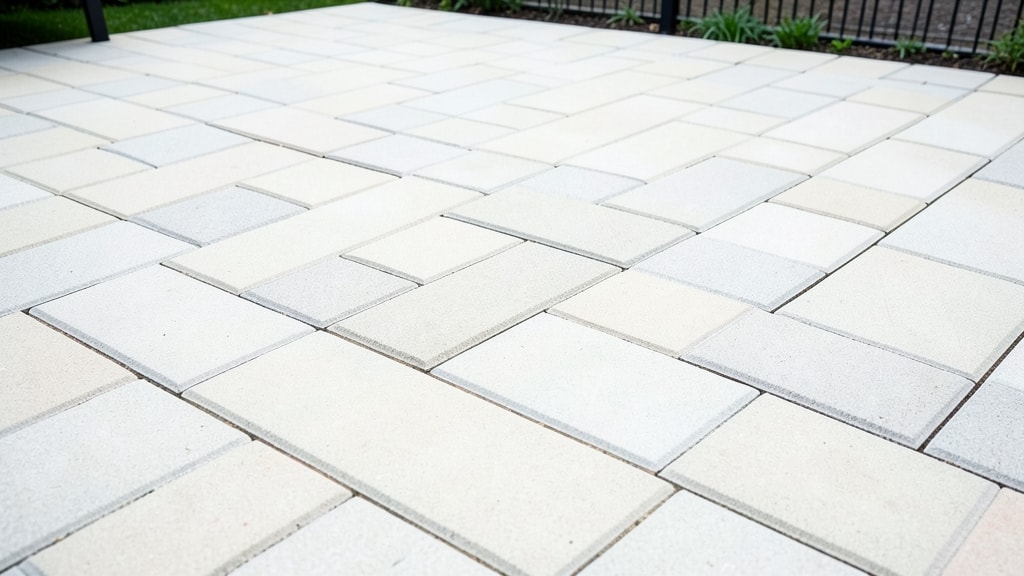
That dark, stained driveway isn’t just an eyesore—it’s a slow-motion attack on your concrete. In our humid Texas climate, trapped moisture and organic growth accelerate spalling and cracking, turning minor neglect into major repairs. We’ve seen it firsthand across Pinehurst, Tomball, and The Woodlands.
What Causes Concrete Spalling on Driveways?
Spalling starts when water penetrates the surface, then freezes or expands. In Magnolia’s heat, it’s often moisture trapped under grime that weakens the slab from within.
Algae, mold, and mildew hold moisture against the concrete, breaking down the paste that binds aggregate. Over time, the surface flakes away—exposing rough, pitted areas prone to further damage.
De-icing salts and chemical runoff (common in winter prep) also accelerate deterioration. Even in milder seasons, these contaminants eat into unprotected concrete.
The Link Between Dirt and Structural Damage
Dirt isn’t inert. Organic matter like leaves and pollen decompose into acids that etch concrete. The longer they sit, the deeper the penetration.
Black algae and lichen roots actually *grow* into microscopic pores, widening them. This creates pathways for water—speeding up freeze-thaw damage even in our mild winters.
Oil, grease, and rubber stains from vehicles seal the surface, trapping moisture underneath. That’s a one-two punch: chemical breakdown plus physical stress.
By the time you see spalling or map cracking, the damage is already advanced. Early pressure washing removes the catalysts before they cause irreversible harm.
Pressure Washing vs. Soft Washing: What’s Best for Concrete?
Not all cleaning methods are equal. High-PSI pressure washing can actually *damage* aging or already-compromised concrete if the nozzle, distance, or PSI aren’t dialed in precisely.
For driveways with early spalling or decorative finishes, we often use soft washing. This low-pressure approach relies on specialized detergents to lift contaminants without eroding the surface.
The right method depends on the concrete’s age, condition, and sealant. A professional assessment prevents turning a cleaning job into a repair job.
| Factor | Pressure Washing | Soft Washing |
|---|---|---|
| PSI Range | 2,000–4,000+ | 500–1,500 |
| Primary Use Case | Heavy stains, deep grime | Delicate surfaces, algae/mold |
| Surface Risk | High (if misapplied) | Low |
| Drying Time | Quick | Slightly longer (detergent dwell) |
How Often Should Magnolia Driveways Be Cleaned?
In our area, twice a year is the sweet spot for most homes. Spring clears winter’s grime and pollen; fall removes organic buildup before cooler, wetter months.
High-traffic driveways or those under trees may need quarterly attention. Oak and pine needles, plus constant vehicle drips, demand more frequent maintenance.
Commercial properties in Tomball or The Woodlands often require monthly cleaning to maintain curb appeal and safety. Oil stains and tire marks accumulate fast in busy lots.
Signs Your Driveway Needs Immediate Attention
White, chalky residue (efflorescence) means moisture is moving through the slab. It’s a red flag for underlying issues.
Small pits or rough patches under your feet? That’s early spalling. Left unchecked, it spreads into larger, costlier areas.
Dark streaks or green/black splotches aren’t just ugly—they’re actively degrading the surface. The longer they sit, the harder (and more expensive) they are to remove.
Driveway Red Flags
- Efflorescence (white mineral deposits)
- Visible pits, flakes, or rough texture
- Persistent dark stains or biological growth
- Cracks wider than a credit card
- Water pooling in low spots
Can Pressure Washing *Prevent* Spalling?
Absolutely. Regular cleaning removes the moisture-trapping layers that lead to spalling. It’s like brushing your teeth to prevent cavities—consistency is key.
Post-cleaning, applying a penetrating sealer adds another layer of protection. It repels water, oil, and stains while allowing the concrete to breathe.
For older driveways, a professional can recommend repair options like crack filling or resurfacing *after* a thorough cleaning. Never seal over dirt or damage.
Always clean before sealing. Applying sealant over dirt or algae locks in contaminants, accelerating damage. Wait 24–48 hours for full drying.
DIY vs. Professional Pressure Washing in Magnolia
Renting a pressure washer seems cost-effective, but most home units lack the GPM and PSI for deep cleaning. Worse, improper use can etch or crack concrete.
Professionals use commercial-grade equipment and adjust settings for your specific surface. We also pre-treat stains and use hot water for oil—things DIY setups can’t match.
Safety matters too. High-pressure streams can injure or damage property. In Montgomery or Hockley, where rural driveways often have loose gravel edges, precision is critical.
How to Maintain Your Driveway Between Professional Cleanings
A little upkeep extends the life of your concrete and keeps it looking sharp.
- 1Sweep Regularly
Remove leaves, dirt, and debris weekly to prevent buildup. A leaf blower works great for larger areas.
- 2Spot-Clean Stains
Use a concrete-safe degreaser for oil or a vinegar solution for organic stains. Avoid harsh chemicals like bleach.
- 3Address Standing Water
Fill low spots with a concrete patch to prevent pooling. Water is concrete’s worst enemy.
- 4Reseal Every 2–3 Years
A fresh sealant layer protects against moisture and stains. Always clean the surface thoroughly before applying.
- 5Trim Nearby Vegetation
Overhanging branches drop leaves and sap; nearby bushes trap moisture. Keep them pruned back.
Frequently Asked Questions
Can pressure washing remove oil stains from my Magnolia driveway?
Yes, but it depends on the stain’s age and type. Fresh oil lifts easily with hot water and degreaser. Older stains may need pre-treatment or multiple passes. For deep-set stains, we sometimes use a concrete-safe solvent before washing.
Will pressure washing damage my decorative concrete or stamped driveway?
Not if done correctly. Decorative concrete requires lower PSI, wider nozzles, and often soft washing. A professional will test a small area first and adjust settings to preserve the finish and color.
How does Magnolia’s climate affect driveway deterioration?
Our humidity and heat create the perfect storm for algae and mold growth. Sudden temperature swings (even in winter) can cause concrete to expand and contract, stressing weakened areas. Regular cleaning mitigates these risks.
Is it safe to pressure wash a driveway with existing cracks?
Yes, but with caution. High pressure can widen cracks or dislodge loose pieces. We use lower PSI and wider spray patterns for damaged surfaces, and may recommend crack filling *after* cleaning to restore integrity.
What’s the difference between pressure washing and power washing for driveways?
Pressure washing uses high-pressure water; power washing adds heat. Heat is more effective for oil, grease, and deep grime—common on driveways in high-traffic areas like The Woodlands or Tomball. Both require expertise to avoid damage.
Can I pressure wash my driveway myself, or should I hire a pro?
For small, lightly soiled areas, a careful DIY approach with the right equipment can work. But for large driveways, heavy stains, or delicate surfaces, a pro delivers better results safely. Request a quote to compare the value.