DIY vs. Professional Pressure Washing: What’s Best for Magnolia Properties?
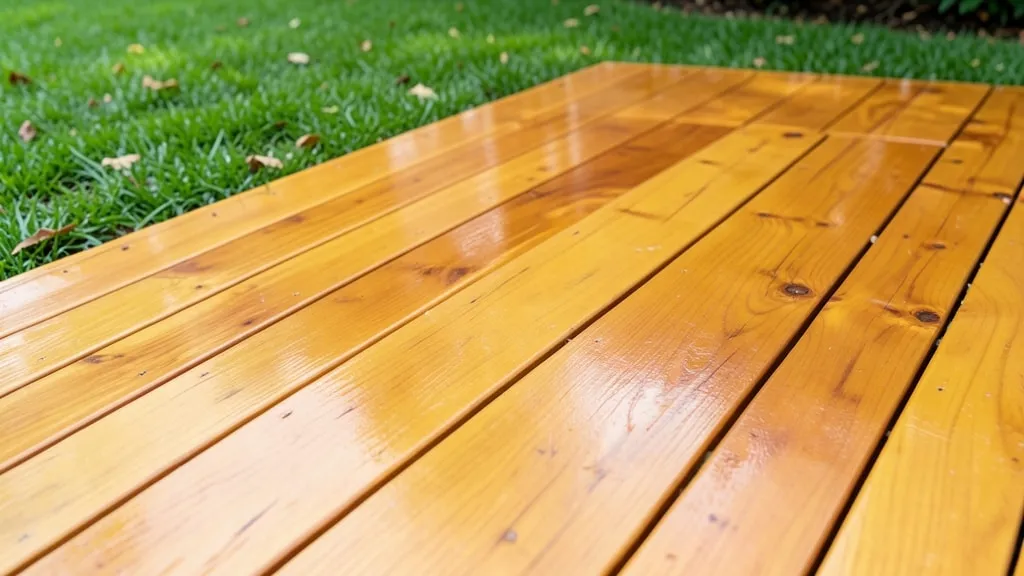
Pressure washing can transform your property—if done right. In Magnolia’s humid climate, DIY mistakes often lead to costly damage, while pros deliver deeper, safer results. We break down when to grab the wand and when to call our team.
Why Pressure Washing Matters in Our Humid Climate
Magnolia’s heat and humidity create the perfect breeding ground for mold, mildew, and algae. These aren’t just eyesores—they degrade surfaces over time, from siding to driveways.
Regular cleaning preserves curb appeal and extends the life of exterior materials. Without it, wood fences rot faster, concrete stains set in, and roofs suffer unseen damage.
DIY Pressure Washing: The Pros and Cons
Renting a pressure washer for a weekend project can feel empowering. It’s cost-effective for small jobs like patio furniture or a modest deck, and you control the schedule.
But most homeowners underestimate the learning curve. Incorrect PSI or nozzle choice can etch concrete, strip paint, or damage soft woods. And without proper detergents, you’re often just blasting water at stains.
Never pressure wash a roof yourself. High pressure can dislodge shingles, cause damage, and send water under the surface—leading to leaks. Soft wash is the only safe method.
Professional Pressure Washing: What You Gain
Our team uses commercial-grade equipment with adjustable PSI and GPM tailored to each surface. We pair this with industry-specific cleaners to break down grime at the source, not just the surface.
We also know Magnolia’s common issues: red clay stains on driveways, cedar fence mildew, and the black streaks on roofs caused by *Gloeocapsa magma* algae. DIY setups rarely tackle these effectively.
Safety is another advantage. Pros handle ladders, electrical connections, and chemical use with training and insurance. One misstep on a wet roof or slippery driveway can turn a weekend project into a hospital visit.
DIY vs. Professional: A Side-by-Side Comparison
The right choice depends on your property’s needs, your experience, and the value you place on time and safety. Below, we compare key factors to help you decide.
| Factor | DIY | Professional |
|---|---|---|
| Equipment Quality | Consumer-grade (1,500–2,800 PSI) | Commercial-grade (2,800–4,000+ PSI, adjustable) |
| Surface Knowledge | Trial and error; risk of damage | Trained in material-specific techniques (e.g., soft wash for roofs) |
| Time Investment | Full day or weekend for larger jobs | Efficient; often completes in hours |
| Safety | High risk of injury or property damage | |
| Results Longevity | Stains may return quickly without proper cleaners | Deeper clean with sealants/protectants for lasting results |
| Cost Factors | Rental fees, detergents, your time | Labor, equipment, and solutions (request a quote) |
When DIY Makes Sense
Small, low-risk tasks are ideal for DIY. Think cleaning a plastic patio set, a small concrete pad, or a vinyl fence panel. These surfaces tolerate mistakes better than wood or stucco.
If you’re determined to DIY, start with the lowest PSI setting and test on an inconspicuous area. Use a wide-angle nozzle (25–40 degrees) to avoid concentrated damage.
DIY Pressure Washing Prep
- Inspect the surface for cracks, loose paint, or rot
- Cover nearby plants with tarps (detergents can harm foliage)
- Wear closed-toe shoes, gloves, and eye protection
- Check for electrical hazards (e.g., outlets, lighting)
- Use a detergent designed for your surface type
When to Call the Pros in Magnolia
For large or delicate jobs, pros are the clear choice. This includes roof washing (always soft wash), multi-story homes, driveways with deep oil stains, or historical properties with sensitive materials.
Commercial properties in Tomball or The Woodlands also benefit from professional service. Storefronts, parking lots, and fleet vehicles require consistent, high-quality cleaning to maintain brand image.
If you’re selling your home, professional pressure washing can boost curb appeal and even appraised value. A clean exterior signals to buyers that the property has been well-maintained.
In Pinehurst or Hockley, where well water is common, iron stains on siding and driveways are frequent. Our team uses specialized iron-removal solutions that DIY setups can’t match.
The Hidden Costs of DIY Mistakes
Repairing damage from DIY pressure washing often costs more than hiring a pro upfront. Etched concrete may need resurfacing. Damaged wood decks might require sanding and restaining. And if water infiltrates your home’s envelope, you’re looking at mold remediation.
Then there’s the time cost. A weekend spent wrestling with a rented washer could’ve been a family barbecue. Pros arrive with a crew and finish the job in a fraction of the time.
What to Expect from a Professional Service
Our process starts with a walkthrough to assess your property’s needs. We note surface types, stain severity, and any areas requiring special care, like aged brick or composite decking.
Next, we select the right equipment and cleaners. For example, roofs get a soft wash with low-pressure nozzles and algae-killing solutions. Driveways might need a rotating turbo nozzle for deep cleaning.
Finally, we inspect our work and offer maintenance tips. Many clients in Montgomery or The Woodlands schedule annual cleanings to stay ahead of Magnolia’s tough stains and weather.
How to Choose Between DIY and Professional Pressure Washing
Use this quick guide to decide an approach for your property.
- 1Assess the Job Size and Surface
Small, simple surfaces (e.g., a plastic chair) may suit DIY. Large or delicate areas (e.g., a two-story home or roof) require pros.
- 2Evaluate Your Experience
If you’ve never used a pressure washer, start with a low-risk task. Pros have years of training to avoid common pitfalls.
- 3Consider Safety Risks
Ladders, electrical connections, and high-pressure water demand caution. Pros carry insurance and safety gear.
- 4Factor in Time and Tools
DIY means renting equipment, buying detergents, and spending a full day. Pros arrive ready to work efficiently.
- 5Think Long-Term
DIY may save upfront but can lead to costly repairs. Pros deliver deeper cleans and longer-lasting results.
- 6Request a quote
For larger or uncertain jobs, contact a local expert. We’ll assess your needs and provide a transparent estimate.
Frequently Asked Questions
Can I pressure wash my Magnolia home’s vinyl siding myself?
Yes, but with caution. Use a low PSI (1,200–1,500), a wide-angle nozzle, and a vinyl-safe detergent. Avoid spraying upward to prevent water intrusion behind the siding. If unsure, pros can clean it safely without risking damage.
Why do driveways in Tomball and Magnolia get so dirty?
Our clay-heavy soil, frequent rain, and vehicle traffic create a perfect storm for stains. Oil, dirt, and organic matter embed in porous concrete, while iron in well water leaves rust-colored marks. Professional-grade cleaners and pressure lift these stains effectively.
Is soft wash really necessary for roof cleaning?
Absolutely. High pressure can dislodge shingles, damage granules, and force water under the roofing. Soft wash uses low pressure and specialized solutions to kill algae and moss at the root, extending your roof’s life.
How often should I pressure wash my deck in Magnolia?
Annually is ideal, especially for wood decks exposed to humidity and UV rays. A professional clean removes embedded dirt and mildew, while a follow-up sealant protects the wood from moisture and sun damage.
Do you offer pressure washing for commercial properties in The Woodlands?
Yes, we serve commercial clients across The Woodlands, Pinehurst, and surrounding areas. From storefronts to parking lots, we tailor our services to keep your business looking its best and maintain a welcoming environment for customers.
What’s the difference between pressure washing and power washing?
Pressure washing uses cold water, while power washing uses heated water. The heat in power washing helps break down tougher grime like grease or chewing gum, making it ideal for driveways or commercial spaces. We choose the right method for your surface.