How to Pressure Wash Your Fence Without Damaging It in Magnolia
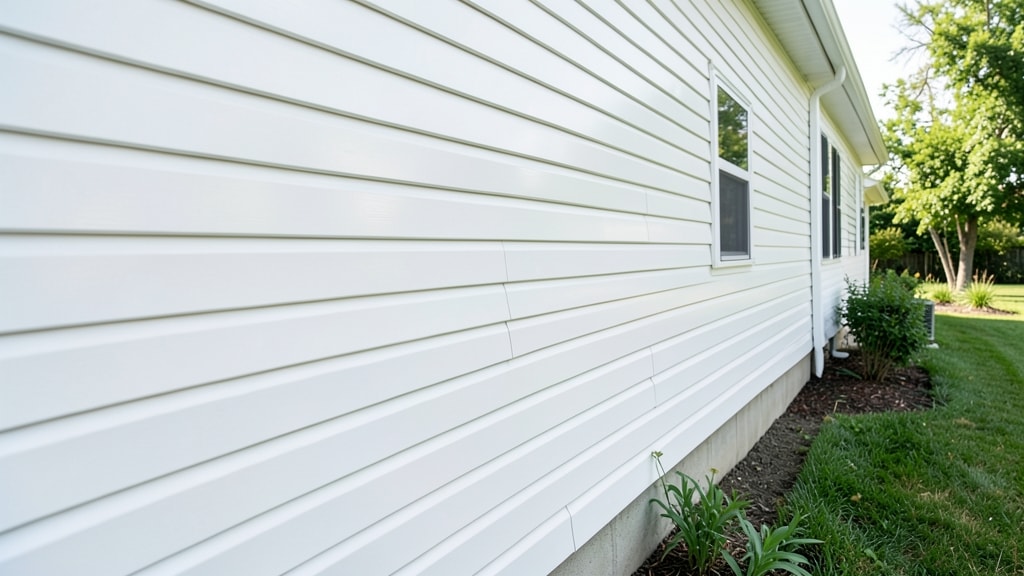
A fence takes a beating from Magnolia’s humidity, pollen, and summer storms. Pressure washing can restore its appearance—but one wrong setting can splinter wood, crack vinyl, or strip stain. We’ll walk you through the right tools, techniques, and precautions to clean safely and effectively.
Why Magnolia Fences Need Regular Cleaning
Our area’s high humidity and frequent rain create the perfect environment for mold, mildew, and algae to thrive on fences. Left unchecked, these contaminants can discolor surfaces and even accelerate wood rot.
Dirt and pollen buildup also dull the appearance of vinyl and composite fences, making them look older than they are. Regular cleaning extends the life of your fence and keeps your property looking sharp.
Know Your Fence Material Before You Start
Wood fences—especially cedar, pine, or redwood—require lower PSI and a wider nozzle to prevent etching or splintering. Soft wash methods are often best for older or stained wood.
Vinyl and composite fences can handle slightly higher pressure but still need care to avoid damaging seams or warping panels. Always test a small, hidden area first.
| Fence Material | PSI Range | Nozzle Type | Notes |
|---|---|---|---|
| Cedar or Pine Wood | 500–1,200 | 25°–40° (white or green) | Use soft wash for stained or aged wood |
| Vinyl | 1,200–1,500 | 15°–25° (green or yellow) | Keep nozzle moving to avoid heat damage |
| Composite | 1,200–1,500 | 25° (green) | Avoid excessive pressure near edges |
| Stained Wood | 500–800 | 40° (white) | Pre-treat with mild detergent; never exceed 800 PSI |
Essential Pressure Washing Gear for Fences
A pressure washer with adjustable PSI (1,000–2,000 range) gives you the flexibility to tackle most residential fences. Electric models work for lighter jobs, while gas-powered units handle tougher grime.
Invest in multiple nozzle tips (0°, 15°, 25°, 40°) and a detergent injector for pre-treatment. A surface cleaner attachment can speed up the job on flat sections like vinyl panels.
Household cleaners can damage wood fibers or vinyl. Use a fence-specific detergent or a mild bleach solution (10% sodium hypochlorite) for mold and mildew. Always rinse thoroughly.
Pre-Wash Prep: Protect Your Fence and Surroundings
Clear the area around the fence of furniture, toys, or plants. Cover nearby shrubs or flower beds with plastic sheeting to shield them from detergent runoff.
Inspect the fence for loose boards, nails, or cracks. Repair these before washing to prevent water from seeping into vulnerable spots and causing further damage.
Pre-Wash Checklist
- Remove or cover outdoor decorations and furniture
- Trim back vegetation touching the fence
- Check for and repair loose or damaged sections
- Wet down nearby plants with water (helps dilute detergent)
- Test pressure washer settings on a hidden fence area
Step-by-Step: The Right Way to Pressure Wash a Fence
Start with a low PSI setting and a wide-angle nozzle (40° for wood, 25° for vinyl). Hold the wand 12–18 inches from the surface and work in sections, moving from top to bottom.
Keep the nozzle moving at all times to avoid creating stripes or damaging the material. For stubborn stains, pre-treat with detergent and let it dwell for 5–10 minutes before rinsing.
Common Mistakes That Damage Fences
Using too much pressure often damages fences. Even vinyl can crack under excessive PSI, and wood may splinter or develop permanent grooves.
Holding the nozzle too close or in one spot too long can create uneven cleaning or heat damage. Always maintain a consistent distance and angle.
The red 0° nozzle delivers a concentrated, high-pressure stream that can punch holes in wood or strip paint. Never use it on fences—stick to 25° or wider.
Post-Wash Care to Extend Your Fence’s Life
Let the fence dry completely—usually 24–48 hours in Magnolia’s climate—before applying sealant or stain. This prevents trapping moisture, which can lead to mold or rot.
For wood fences, consider a UV-protective sealant to shield against our intense Texas sun. Vinyl fences may benefit from a vinyl protectant to maintain their color and flexibility.
When to Call a Pro for Fence Cleaning in Magnolia
If your fence is tall, heavily stained, or made of delicate materials like cedar, hiring a professional can save you time and prevent costly mistakes. We also handle hard-to-reach areas and use commercial-grade equipment for tough jobs.
For homeowners in Pinehurst, Tomball, or The Woodlands, our team can tackle fence cleaning alongside driveway or deck washing to give your entire property a fresh, cohesive look.
How to Pressure Wash a Wood Fence Safely
Follow these steps to clean your wood fence without causing damage.
- 1Prep the Area
Remove obstacles and cover plants. Inspect the fence for repairs and wet it down with a garden hose to loosen surface dirt.
- 2Apply Detergent
Use a low-pressure nozzle to apply a wood-safe detergent or mild bleach solution. Let it sit for 5–10 minutes, but don’t allow it to dry.
- 3Rinse with Low Pressure
Switch to a 40° nozzle and rinse from top to bottom, keeping the wand 12–18 inches away. Work in overlapping strokes for even cleaning.
- 4Check for Missed Spots
Inspect the fence for stubborn stains. Reapply detergent if needed, but avoid increasing pressure—use a soft-bristle brush instead.
- 5Let It Dry
Allow the fence to dry completely (24–48 hours) before applying sealant or stain. Avoid direct sunlight during drying to prevent warping.
Frequently Asked Questions
How often should I pressure wash my fence in Magnolia?
In our humid climate, we recommend cleaning your fence every 1–2 years to prevent mold, mildew, and dirt buildup. Wood fences may need more frequent attention, especially if they’re stained or in shaded areas.
Can I use bleach to clean my fence?
Yes, a diluted bleach solution (10% sodium hypochlorite) is effective for killing mold and mildew on wood or vinyl. Always rinse thoroughly afterward to prevent residue, and avoid using bleach on colored or painted surfaces.
What’s a good time of year to pressure wash a fence here?
Spring and fall are ideal in Magnolia. Avoid the peak of summer, when the heat can cause detergent to dry too quickly, and winter, when freezing temps can damage wet wood.
Will pressure washing remove paint or stain from my fence?
Excessive pressure or the wrong nozzle can strip paint or stain. For painted or stained wood, use the lowest effective PSI (500–800) and a 40° nozzle. Test a small area first.
Do you offer fence cleaning in nearby areas like Tomball or The Woodlands?
Absolutely. We serve Magnolia and surrounding communities, including Tomball, Pinehurst, Hockley, Montgomery, and The Woodlands. Fence cleaning pairs well with driveway or deck washing for a full property refresh.
How do I prevent my fence from getting dirty so quickly?
Regular maintenance is key. Trim back vegetation to improve airflow, which reduces moisture buildup. Applying a sealant to wood fences can also help repel dirt and water. For vinyl, a yearly rinse with a garden hose can minimize grime.