Pressure Washing for HOAs: Keeping Magnolia Neighborhoods Looking Their Best
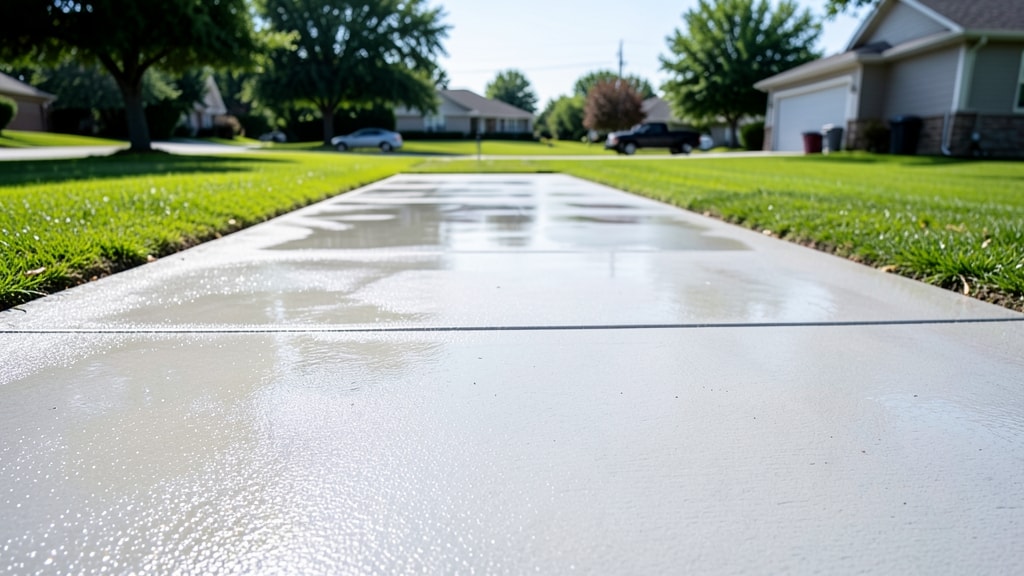
HOAs in our area take pride in well-kept neighborhoods, and consistent exterior cleaning is key to meeting those standards. We specialize in pressure washing that removes deep-seated grime, mildew, and pollen—common issues in our humid climate—while protecting surfaces from damage. Let’s break down how professional cleaning keeps your community looking sharp and compliant.
Why HOAs Need Regular Pressure Washing
Our local humidity and frequent rain create the perfect environment for mold, algae, and mildew to thrive on siding, driveways, and walkways. Left unchecked, these contaminants not only look unsightly but can degrade surfaces over time, leading to costly repairs.
Regular pressure washing maintains property values and ensures compliance with HOA covenants. It’s not just about aesthetics—it’s about preserving the integrity of shared spaces and individual homes alike.
Common HOA Areas That Require Pressure Washing
Sidewalks, curbs, and community mailbox areas accumulate dirt, oil stains, and organic growth. These high-traffic zones need frequent attention to keep them safe and presentable for residents and visitors.
Entryway monuments, signage, and retaining walls often collect pollen, dust, and water stains. A thorough cleaning enhances first impressions and reinforces the neighborhood’s pride of place.
Playground equipment, picnic areas, and pool decks in HOA common areas also benefit from regular cleaning to remove bacteria, algae, and slip hazards.
HOA Pressure Washing Checklist
- Sidewalks and curbs
- Driveways and parking areas
- Community entryway monuments and signage
- Retaining walls and fences
- Playgrounds and pool decks
- Mailbox clusters and streetlights
Soft Wash vs. Pressure Washing: What’s Best for HOA Properties?
Not all surfaces can handle high-pressure cleaning. Delicate materials like vinyl siding, stucco, or older wood require a soft wash—low-pressure application of specialized detergents to lift contaminants without causing damage.
For tougher surfaces like concrete driveways, brick pavers, or aggregate walkways, traditional pressure washing with higher PSI and surface cleaners delivers deeper cleaning. Matching the method to the material is critical.
| Surface Type | Recommended Method | Why It Works |
|---|---|---|
| Vinyl siding, stucco, wood fences | Soft Wash | Prevents etching, stripping, or water intrusion |
| Concrete driveways, sidewalks | Pressure Washing (3000-4000 PSI) | Removes deep stains, oil, and embedded dirt |
| Brick or stone facades | Pressure Washing (2000-3000 PSI) + Soft Wash for grout | Balances cleaning power with surface protection |
| Composite or wood decking | Soft Wash or Low-Pressure Wash (1200-1500 PSI) | Avoids splintering or damaging sealants |
| Roofs (asphalt shingle, tile) | Soft Wash Only | Prevents shingle damage and voided warranties |
Seasonal Considerations for Magnolia HOAs
Spring brings pollen—lots of it. A post-winter soft wash removes yellow film from siding and roofs before it stains. Summer’s heat and humidity accelerate mold growth, so mid-year cleanings are wise.
Fall is ideal for driveway and sidewalk cleaning to remove leaf tannins, acorns, and debris before they stain. Winter prep often includes gutter cleaning to prevent ice dams and water damage during colder snaps.
Many local HOAs conduct seasonal walk-throughs. Booking a professional pressure wash 1-2 weeks beforehand ensures your property passes with flying colors.
The Risks of DIY Pressure Washing for HOAs
Renting a pressure washer and tackling the job yourself might seem cost-effective, but improper PSI settings or nozzle choices can etch concrete, strip paint, or damage landscaping. The liability risk for HOAs is significant.
Without the right detergents, some stains—like oil on driveways or rust on fences—won’t budge. Professionals use commercial-grade solutions and techniques tailored to each surface.
Using bleach improperly can kill grass and harm nearby plants. Always hire trained technicians who understand local flora and water runoff regulations.
How Often Should HOAs Schedule Pressure Washing?
Most HOAs benefit from bi-annual cleanings—once in spring to tackle pollen and once in fall to prep for winter. However, high-traffic areas like pool decks or entryways may need quarterly attention.
Factors like tree coverage (hello, Pinehurst’s oak canopies), proximity to busy roads, and the age of surfaces can shorten the ideal interval. Request a quote for a customized schedule.
Beyond Pressure Washing: Complementary Services for HOAs
Gutter cleaning prevents water damage to fascias and foundations—a common issue in older neighborhoods like Tomball or Hockley. Clogged gutters can also lead to mosquito breeding, a concern in our warm climate.
Window and screen cleaning enhances curb appeal and improves natural light for residents. For commercial properties in The Woodlands or Montgomery, adding graffiti removal to your maintenance plan deters vandalism and keeps storefronts inviting.
How to Prepare Your HOA for a Pressure Washing Service
A little prep ensures the best results and a smooth process for the entire community.
- 1Notify Residents
Send a community-wide notice 3-5 days in advance, specifying areas to be cleaned and any temporary restrictions (e.g., parking, pet access).
- 2Clear the Work Zones
Remove vehicles, outdoor furniture, grills, and decor from driveways, sidewalks, and patios. Trim back shrubs or low-hanging branches near surfaces.
- 3Address Repairs First
Fix loose siding, cracked concrete, or damaged fences before cleaning. Pressure washing can worsen existing issues if not addressed upfront.
- 4Secure Pets and Children
Keep pets indoors and children away from work areas during service. The noise and water pressure can be startling, and detergents require time to dry.
- 5Provide Access to Water
Ensure outdoor spigots are functional and accessible. Our team will need a reliable water source to operate equipment efficiently.
- 6Post-Service Walkthrough
Inspect the cleaned areas with the technician. Note any spots needing touch-ups and discuss follow-up maintenance recommendations.
Frequently Asked Questions
Does pressure washing damage brick or stone surfaces in Magnolia’s older neighborhoods?
Not when done correctly. We use lower PSI settings (typically 2000-3000) and wide-angle nozzles for brick or stone to avoid etching or mortar damage. Soft washing is often used for grout lines or delicate stonework.
How do you handle oil stains on HOA driveways and parking lots?
We pre-treat oil stains with industrial-grade degreasers, then use hot water pressure washing (when available) to break down the contaminants. Multiple passes may be needed for deep-set stains.
Can pressure washing remove graffiti from community walls or signs?
Yes, but the method depends on the surface and paint type. For masonry or concrete, high-pressure washing with specialized solvents often works. For painted surfaces, we may use a softer approach or recommend repainting if the graffiti has penetrated the finish.
What’s the best way to clean wooden fences in HOA backyards?
Wood fences require low-pressure washing (1200-1500 PSI) with a wide-angle nozzle to avoid splintering. We use a mild detergent to lift mildew and dirt, followed by a sealant application to protect the wood from our humid climate.
Do you offer discounts for bulk HOA pressure washing contracts?
We tailor pricing based on the scope of work, frequency, and number of properties. Bulk contracts often allow for cost savings, but the best way to get accurate figures is to request a quote for your specific HOA needs.
How soon can you schedule pressure washing for an HOA in Magnolia?
Scheduling depends on the size of the project and current demand, but we typically book 1-2 weeks out. For urgent needs—like pre-inspection cleanups—we do our best to accommodate faster turnarounds.