Rent vs. Buy Pressure Washing Equipment in Magnolia: What’s Best for Your Project?
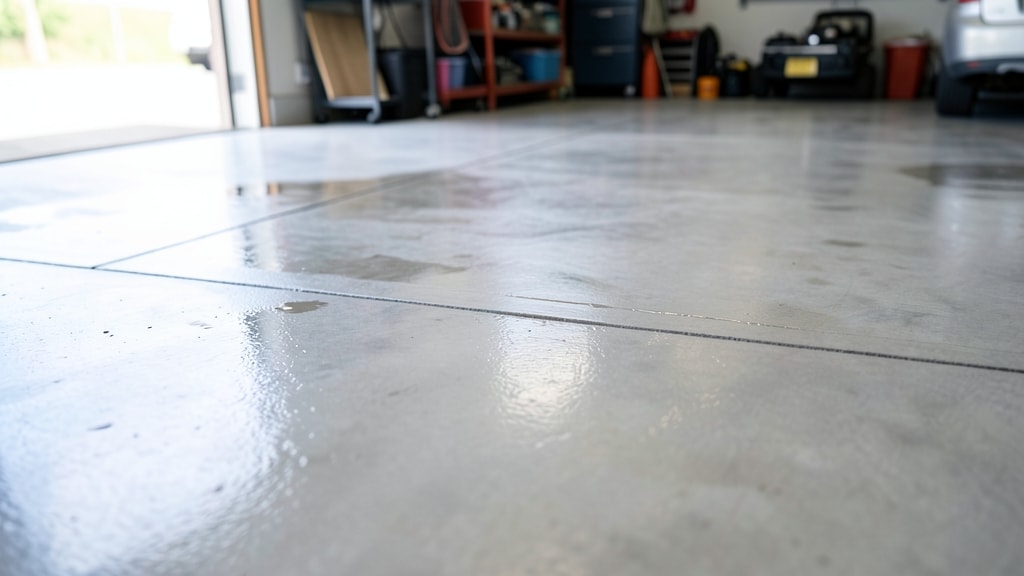
Deciding whether to rent or buy pressure washing gear isn’t just about upfront cost. It’s about matching the tool to the job—whether you’re tackling a one-time driveway cleanup in Pinehurst or maintaining a fleet of commercial properties near The Woodlands. We break down the real-world factors that separate a smart investment from a costly mistake.
Understand the Scope of Your Pressure Washing Needs
A single weekend project—like blasting moss off a Tomball patio—rarely justifies a purchase. But if you’re cleaning multiple homes, driveways, or commercial storefronts annually, ownership starts to make sense.
Consider frequency, surface types, and scale. Soft washing a roof in Hockley demands different equipment than power-washing a Montgomery warehouse floor. Each scenario influences whether renting or buying aligns with your goals.
Renting Pressure Washers: Pros and Limitations
Renting gives you access to commercial-grade machines (3,000+ PSI, 4+ GPM) without the long-term commitment. Ideal for large, infrequent jobs like stripping paint or deep-cleaning concrete in The Woodlands.
You also avoid storage, maintenance, and repair headaches. Yet, you’re limited by rental availability, time constraints, and potential wear-and-tear from previous users.
Always inspect rental units for worn nozzles, leaks, or clogged filters before leaving the yard. A five-minute check can save hours of frustration.
Buying Pressure Washers: Long-Term Value vs. Upkeep
Owning your equipment means instant access for spontaneous jobs—like post-storm cleanup in Magnolia or seasonal deck washing. Over time, the per-use cost drops significantly.
But ownership brings responsibilities: fuel, oil changes, nozzle replacements, and winterizing for our Texas freezes. Storage space and initial cost are also major considerations.
Pressure Washer Types: Match the Machine to the Job
Electric units (1,300–2,200 PSI) suit light residential tasks like siding or fence cleaning. Gas models (2,000–4,000 PSI) handle driveways, decks, and stubborn grime. Hot water machines excel at grease and oil—common in commercial settings.
For roof or delicate surface cleaning, a soft wash system with downstream detergent injection is non-negotiable. Using the wrong setup can damage surfaces.
| Type | PSI Range | Best For | Limitations |
|---|---|---|---|
| Electric | 1,300–2,200 PSI | Siding, fences, cars, light concrete | Limited mobility, lower power |
| Gas (Consumer) | 2,000–3,200 PSI | Driveways, decks, patios | Noisier, requires fuel/oil |
| Gas (Commercial) | 3,000–4,000+ PSI | Large concrete, graffiti removal, fleet cleaning | Heavy, higher maintenance |
| Hot Water | 2,000–4,000 PSI | Grease, oil, commercial kitchens | Expensive, fuel-heated |
Hidden Costs That Swing the Decision
Renting adds up fast for multi-day projects or repeat jobs. Late fees, damage charges, and fuel costs can inflate the bill. Buying shifts costs to maintenance, storage, and potential repairs.
Don’t overlook consumables: nozzles wear out, detergent adds up, and surface cleaners (for driveways) are a game-changer but require an upfront investment.
Using a pressure washer without a proper nozzle (e.g., 0° on wood) can etch concrete, strip paint, or gouge decks. Always start with the widest angle and test.
Local Factors in Magnolia That Affect Your Choice
Our humid subtropical climate means frequent mold, mildew, and algae—especially on north-facing walls and shaded decks. Regular cleaning extends the life of exterior surfaces, which may justify ownership.
Nearby areas like Tomball and The Woodlands have strict HOA rules on exterior appearances. If you’re maintaining multiple properties, owning equipment ensures you’re always ready for touch-ups.
Maintenance and Storage: The Often-Overlooked Burdens
Pressure washers need winterizing to prevent freeze damage—a must for our occasional Texas cold snaps. Gas models require oil changes, air filter cleaning, and spark plug replacements.
Storage is another hurdle. Units should be kept dry, away from extreme temps, and with fuel stabilized if stored long-term. Not everyone has the space or inclination.
Pressure Washer Maintenance Basics
- Flush detergent from the system after each use
- Inspect and clean nozzles and filters regularly
- Winterize with antifreeze if temps drop below 32°F
- Check oil and fuel levels before every job
- Store in a dry, ventilated area
When to Call a Pro Instead
Some jobs—like soft washing a steep roof in Hockley or removing graffiti from a Montgomery storefront—require specialized equipment and training. Mistakes can be costly or dangerous.
If your project involves heights, delicate surfaces, or hazardous materials (e.g., lead paint), hiring a professional is often the smarter, safer choice.
How to Decide Between Renting or Buying Pressure Washing Equipment
Follow this step-by-step approach to make the right call for your situation.
- 1Assess Project Frequency
List all pressure washing tasks you anticipate over the next 1–2 years. One-time or annual jobs favor renting; monthly or biweekly needs lean toward buying.
- 2Evaluate Surface Types
Note the materials you’ll clean (concrete, wood, vinyl, etc.). Delicate surfaces may require a soft wash system, which is a bigger investment.
- 3Compare Costs Over Time
Estimate total rental fees for your projected usage. If it approaches 50–70% of a new unit’s cost, buying may be cheaper long-term.
- 4Consider Storage and Maintenance
Do you have space for the unit and time for upkeep? If not, renting or hiring a pro for Magnolia-area jobs is likely the better route.
- 5Test Before Committing
Rent a high-quality unit for your first major project. This hands-on experience will clarify whether ownership is worth the effort.
Frequently Asked Questions
How much does it cost to rent a pressure washer in Magnolia?
Rental rates vary by PSI, brand, and duration. Expect daily rates for consumer-grade units and higher fees for commercial models. Add-ons like surface cleaners or detergent injectors increase the cost. For an exact quote, request an estimate from local suppliers.
Can I use a rented pressure washer for roof cleaning?
Most rental units lack the precise pressure control and detergent systems needed for safe roof cleaning. Soft washing requires specialized equipment to avoid damage. For roofs in Pinehurst or Tomball, hiring a pro with the right gear is strongly recommended.
What’s the lifespan of a well-maintained pressure washer?
Consumer-grade gas models last 500–1,000 hours with proper care; commercial units can exceed 2,000 hours. Electric models typically have shorter lifespans. Regular maintenance—like replacing worn parts and winterizing—extends longevity significantly.
Is a hot water pressure washer worth the extra cost?
Hot water units excel at cutting through grease, oil, and grime—ideal for driveways, commercial kitchens, or fleet cleaning. For most residential jobs in Magnolia, a cold water model with the right detergent is sufficient and more cost-effective.
Do I need a permit to pressure wash my home in Magnolia?
Generally, no permit is required for residential pressure washing. However, if you’re using chemicals or discharging wastewater into storm drains, local regulations may apply. Always check with Magnolia or Montgomery County guidelines for large or commercial projects.
What’s the biggest mistake first-time pressure washer users make?
Using too much pressure or the wrong nozzle. A 0° nozzle at close range can damage wood, etch concrete, or even injure someone. Always start with a wide-angle nozzle (25°–40°) and adjust based on the surface and results.