Why Hard Water Stains Keep Coming Back and How We Stop Them for Good in Magnolia
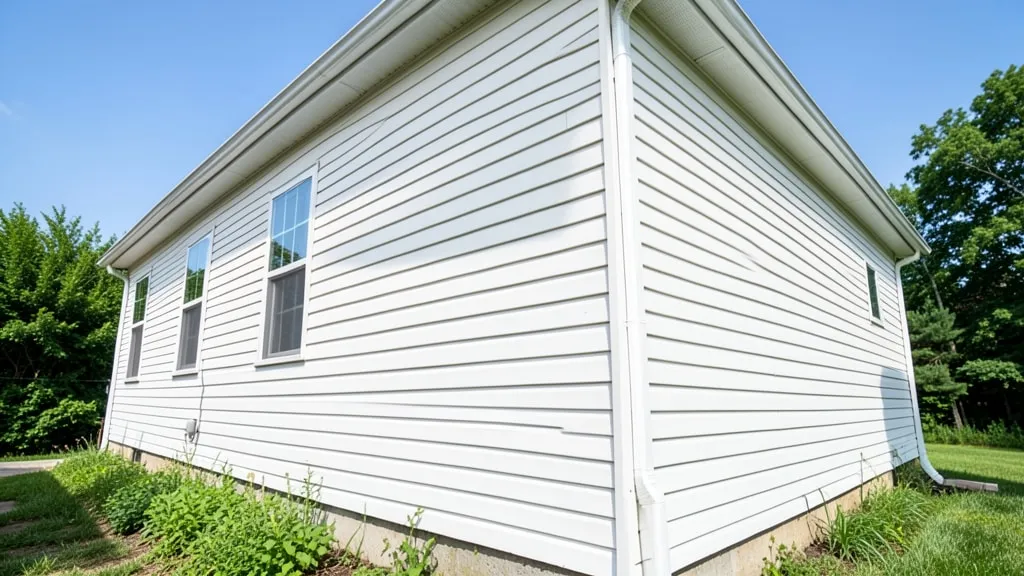
Hard water stains are more than an eyesore—they’re a recurring nightmare on driveways, siding, and fences across our area. Our team sees it daily: homeowners scrub, pressure wash, even seal surfaces, only for those white or rust-colored streaks to reappear within weeks. The culprit? Magnolia’s notoriously hard water, packed with minerals that cling to every porous surface.
What’s Really in Magnolia’s Water (and Why It Sticks)
Our local water supply is rich in dissolved calcium and magnesium—classic hard water. When it evaporates, it leaves behind mineral deposits that bond to concrete, brick, and even vinyl siding.
These aren’t just surface stains. Over time, they etch into porous materials like driveways and decks, making them harder to remove with each cycle.
Why DIY Pressure Washing Fails (and Makes It Worse)
Blasting stains with high PSI can drive minerals deeper into concrete or strip protective sealants, speeding up their return. Without the right detergents, you’re just spreading the problem.
Consumer-grade pressure washers often lack the heat and flow rate to dissolve mineral bonds. That’s why stains fade for a week, then return with a vengeance.
Never use muriatic acid on colored concrete or pavers—it can bleach or pit surfaces. Leave acid-based treatments to pros with the right training and equipment.
Soft Wash vs. Pressure Washing: The Right Approach for Hard Water
Soft washing uses low-pressure, high-volume water combined with specialized detergents to dissolve minerals without damaging surfaces. It’s ideal for siding, roofs, and delicate stonework.
For driveways and concrete, we use a hybrid approach: pressure washing to lift embedded deposits, followed by a soft wash rinse to prevent immediate re-adhesion.
| Method | Best For | Mineral Removal Effectiveness | Surface Safety |
|---|---|---|---|
| Soft Wash | Siding, roofs, decks, fences | High (chemical breakdown) | Very High |
| Pressure Washing | Concrete, brick, pavers | Medium-High (physical removal) | High (with proper PSI/technique) |
| DIY Power Washing | Driveways (attempted) | Low (often redistributes stains) | Low (risk of etching/damage) |
The Secret: Pre-Treatment and Post-Wash Protection
We pre-treat surfaces with a citric acid or sodium gluconate-based solution to break down mineral bonds before washing. This step is non-negotiable for long-term results.
After cleaning, we apply a penetrating sealer to concrete or a hydrophobic coating to siding. This reduces porosity, so minerals can’t reattach as easily.
If you’re between professional cleanings, use a white vinegar spray (1:1 with water) on fresh stains—it can help dissolve new deposits before they set.
Why Stains Return Faster in Some Magnolia Neighborhoods
Areas near Pinehurst and Tomball often see faster stain recurrence due to higher water table mineral content and less rainfall to naturally rinse surfaces.
Homes in The Woodlands or Montgomery with mature trees may also battle organic tannins mixing with hard water, creating darker, stickier stains.
When to Call in the Pros (Before It’s Too Late)
If stains return within a month of cleaning, your surface likely needs professional-grade pre-treatment and sealing. DIY methods won’t cut it.
For commercial properties or large driveways in Hockley, we recommend a semi-annual maintenance plan to stay ahead of mineral buildup.
Signs You Need Professional Hard Water Stain Removal
- Stains reappear within 2-4 weeks of cleaning
- White or rust-colored streaks on multiple surfaces
- Etching or pitting visible on concrete or stone
- Previous DIY attempts left surfaces dull or damaged
Beyond Driveways: Hard Water’s Hidden Damage
Left unchecked, mineral deposits can clog gutters, reduce window clarity, and even degrade roof shingles over time. That’s why we often bundle gutter cleaning or window washing with hard water treatments.
For decks and fences, the combination of hard water and Texas humidity accelerates wood rot. A soft wash with a wood brightener restores the surface while preventing future stains.
How to Maintain Surfaces Between Professional Cleanings
These steps help extend the life of your pressure washing results and slow down hard water stain return.
- 1Rinse Regularly
Use a garden hose to rinse driveways and siding after heavy rain or sprinkler use. This prevents minerals from sitting and bonding.
- 2Spot-Treat New Stains
Apply a 50/50 white vinegar and water solution to fresh stains, then rinse. Avoid this on natural stone like limestone or marble.
- 3Use a Water Softener for Exterior Faucets
Install a portable water softener for your hose bibs to reduce mineral content in water used for cleaning or irrigation.
- 4Seal Porous Surfaces
Reapply a penetrating sealer to concrete or pavers every 2-3 years to maintain a protective barrier against minerals.
- 5Trim Sprinkler Overspray
Adjust sprinklers to avoid hitting siding, fences, or driveways. Constant water exposure speeds up stain formation.
Frequently Asked Questions
How long should hard water stain removal last in Magnolia?
With professional cleaning and sealing, you can expect 6-12 months of stain-free surfaces. Longevity depends on water exposure, surface porosity, and whether you maintain a rinsing routine. Request a quote to assess your specific needs.
Can hard water stains damage my home’s exterior?
Yes. Over time, mineral deposits can etch into surfaces, weaken sealants, and even trap moisture against siding or roofs, leading to mold or rot. That’s why we recommend addressing them promptly.
Why do my windows still have spots after I clean them?
Those are likely mineral deposits from hard water. Standard glass cleaners won’t remove them—you need a professional window cleaning service with water-fed poles and purified water to prevent new spotting.
Is soft washing safe for all surfaces?
Soft washing is safe for most exterior surfaces, including vinyl, wood, stucco, and roofs. However, some delicate materials like old mortar or certain stones may require a gentler approach. Our team assesses each job individually.
Do you service areas outside Magnolia, like Tomball or The Woodlands?
Absolutely. We serve Magnolia and the surrounding areas, including Tomball, Pinehurst, Hockley, Montgomery, and The Woodlands. Hard water is a regional issue, and we’re equipped to handle it everywhere.
What’s the difference between hard water stains and efflorescence?
Hard water stains are mineral deposits from external water sources, like sprinklers or rain. Efflorescence is a white, powdery residue caused by salt deposits migrating from within concrete or masonry as moisture evaporates. Both require different treatments.