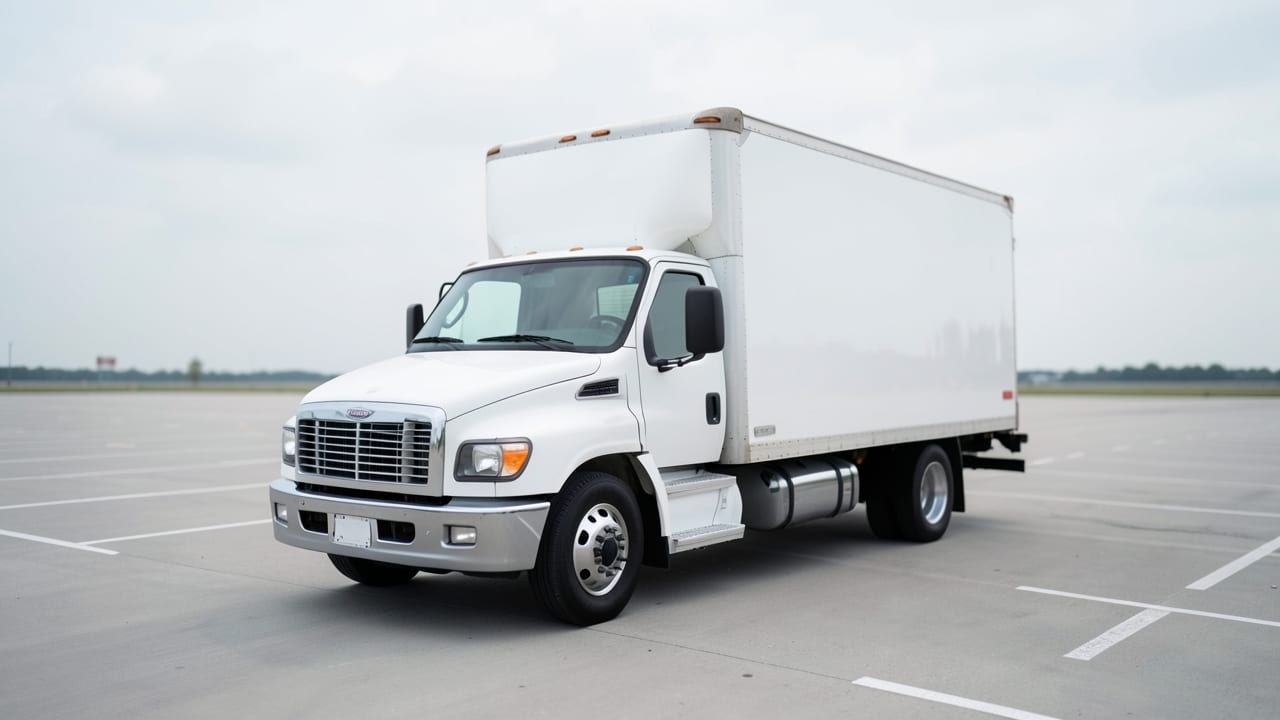
Fleet Washing in Waller, TX
Fleet Washing for Waller, TX properties — Waller west of Magnolia on the Harris/Waller county line.
Based in the heart of Waller, TX, we provide professional fleet washing services to keep your commercial vehicles clean and presentable. Conveniently located just west of Magnolia on the Harris/Waller county line, we serve businesses throughout the area with efficient, high-quality pressure washing tailored to your fleet’s needs. Regular cleaning helps maintain your vehicles’ value and professional appearance while removing dirt, grime, and road debris.
Why fleet washing matters in Waller
Fleet washing matters for large rural properties in Waller, TX, because the expansive driveways and open spaces on these lots accumulate dirt, dust, and grime from constant vehicle use. Regular cleaning prevents buildup that can damage surfaces over time, especially in areas with high traffic like those near the Harris/Waller county line. Keeping fleets clean also maintains a professional appearance for businesses operating in these sprawling, visible locations.
This service is also available via Fleet Washing and Waller, TX.
What fleet washing actually involves, step by step
Surface and plant protection. Landscaping near the foundation is wetted down and covered, and any exterior outlets or fixtures are bagged, before a single nozzle is turned on, since cleaning solution runoff and overspray cause more complaints on siding jobs than the wash itself.
Detergent pre-treatment. A cleaning solution formulated for the siding material — vinyl, wood, stucco, or fiber cement each take a different mix — is applied at low pressure and left to dwell, breaking down algae and mildew chemically instead of relying on pressure to blast it off.
Soft-wash rinse. The siding is rinsed at low pressure, generally under 500 psi through a wide-fan tip, working top to bottom in overlapping passes at a consistent speed, since an inconsistent pass speed is what leaves uneven streaking behind on the finished surface.
Spot treatment. Areas with heavier algae staining or stubborn mildew get a second, more concentrated pass rather than higher pressure, because raising the pressure to compensate for a stain is what pushes water behind siding seams instead of just cleaning the surface.
Final rinse and inspection. A clear-water final rinse removes any remaining detergent residue, and the finished siding is walked and checked in daylight for spots the first pass missed and for any panel that shows lifting or damage that needs separate attention.
What goes wrong when fleet washing is done badly
Uneven pass speed streaking. Moving the wand at an inconsistent speed across siding leaves a banded, uneven-looking streak pattern sometimes called zebra striping, where the panels that got a slower pass look cleaner than the ones the operator moved past quickly. It's a technique problem, not a chemistry problem, and it shows up worst on light-colored vinyl.
Forced water behind siding. Aiming a pressure washer wand directly into a siding seam or up under a lap edge can force water behind the panel instead of just cleaning its face, and water trapped there is a documented cause of mold growth and rot inside the wall cavity that isn't visible until much later.
Wrong pressure for the material. Vinyl, stucco, and fiber cement each tolerate different pressure levels, and using a pressure setting suited to concrete on siding can crack stucco, split vinyl seams, or strip the factory finish off fiber cement panels well before it makes the surface look any cleaner.
What drives the cost of fleet washing around Waller
Commercial or institutional pressure washing in Waller rarely comes with a published price range; most providers quote it per project once they have seen the site. A few things usually shape that number: the total square footage across multiple buildings, a parking structure, or a lot, rather than a single house; water reclamation or containment requirements that many municipalities impose on commercial sites; scheduling around business hours or foot traffic, since storefronts and clinics are usually washed outside operating hours; for fleet washing specifically, the number of vehicles and whether they are washed on a recurring schedule. This is market-level pricing information for this category, not an offer or a quote — the actual number for a given project depends on its scope, site conditions, and the provider selected.
How to choose who does the work in Waller
Does the quote specify the PSI and method — pressure wash vs. soft wash — for each surface? The wrong PSI on siding, roofing, or wood can cause damage, so the method should be disclosed per surface, not left as one generic number. Is a written scope listing every surface included — driveway, siding, deck, roof, fencing — provided? Bundled pricing sometimes covers only one or two surfaces despite sounding comprehensive. Are the cleaning chemicals used, and their effect on nearby landscaping and pets, disclosed before the job? Soft-wash detergents vary in strength, and runoff can affect plants or pets nearby. Does the estimate distinguish concrete or driveway work from roof or siding work? Roof and siding washing typically require lower pressure and different technique than concrete, and pricing that lumps them together can hide risk. What is the policy if pressure washing reveals pre-existing damage, like cracked paint or loose mortar? Pre-existing conditions can surface once dirt is removed, so it helps to know how that gets handled before agreeing to the job. Is post-treatment sealing for driveways or decks included in the price or billed separately? Sealing is often an add-on, not part of a basic wash.
No mention of PSI or method — pressure vs. soft wash — for each surface. The wrong pressure on siding, roofing, or wood can cause real damage, and a quote that has not specified method per surface has not actually assessed the job. A price far below every comparable bid for the same square footage. An unusually low price can mean lower-grade equipment, no pre-treatment chemical, or rushed coverage that leaves streaking. No mention of what chemicals are used or their effect on landscaping. Undisclosed chemical strength is how plants and grass near the work area end up damaged. Full payment demanded before the job starts. Paying in full upfront removes leverage if streaking, missed spots, or damage shows up afterward. Pressure to add extra services on the spot without a separate written price. Add-ons proposed in the moment are harder to compare against other bids.
Mobile, On-Site Equipment
A dedicated water tank and pressure equipment travel to the property or lot where the fleet is parked, which matters for businesses that can't spare the downtime of routing every vehicle to an off-site wash.
Reach out for a firm quote on fleet washing in Waller; the same scheduling and pricing apply here as anywhere else covered.
See Fleet Washing in Oak Ridge North, TX for more — or browse our complete Magnolia service list side by side for our complete service area.
Serving Waller, TX
Ready to get started?
Talk to a local pressure washing pro serving Waller, TX — get a written quote.
Other Services We Offer in Waller, TX
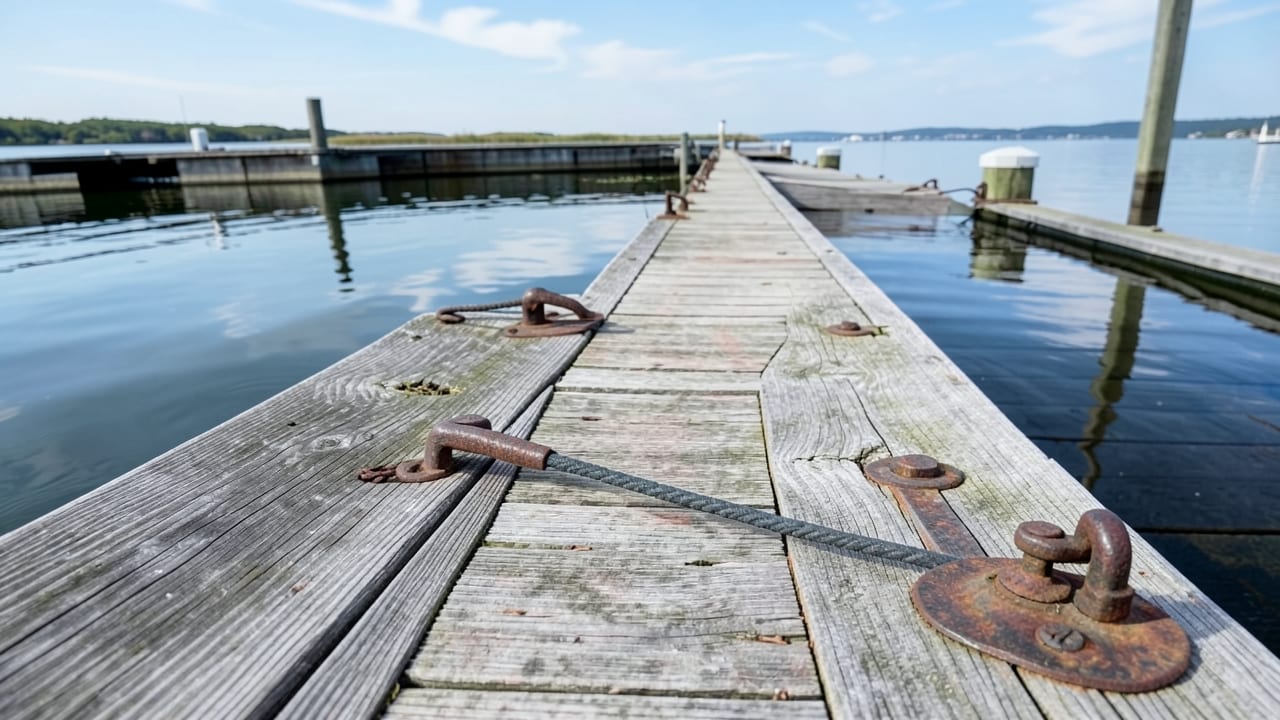
Boat Dock Cleaning in Waller, TX
Boat Dock Cleaning for Waller, TX properties — Waller west of Magnolia on the Harris/Waller county line.
Learn More
Glass Railing Cleaning in Waller, TX
Glass Railing Cleaning for Waller, TX properties — Waller west of Magnolia on the Harris/Waller county line.
Learn More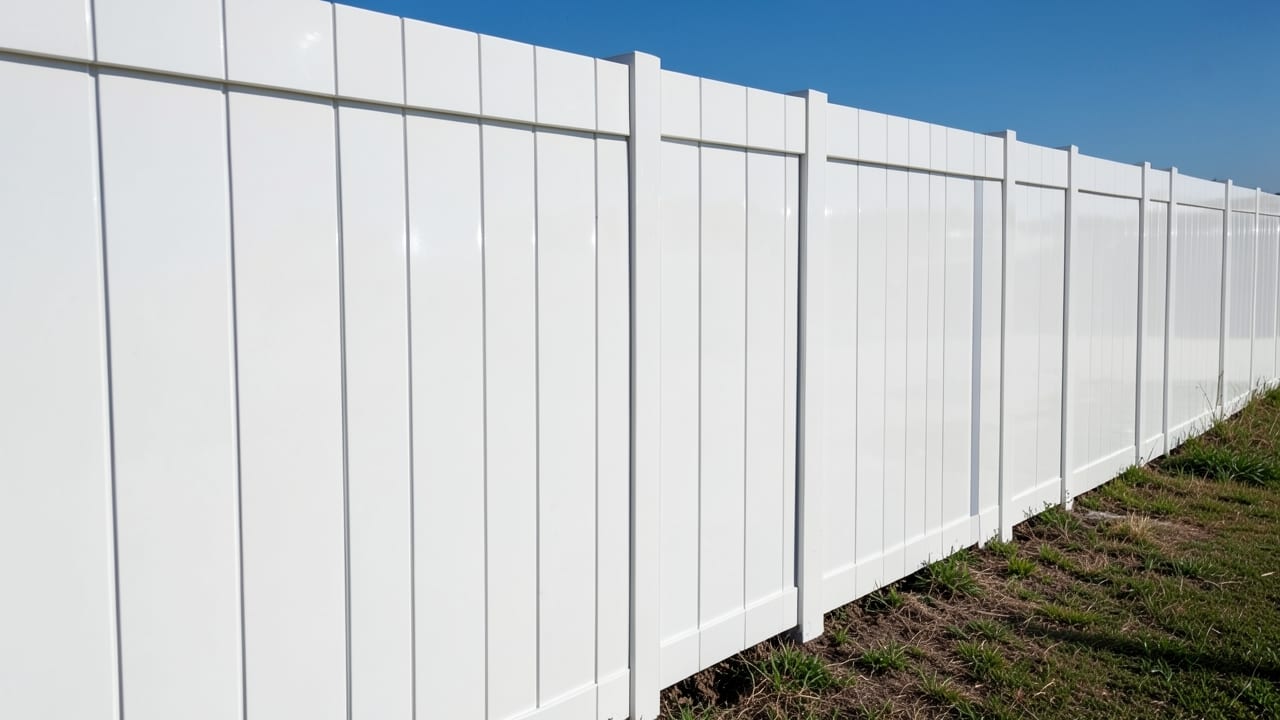
Vinyl Fence Cleaning in Waller, TX
Vinyl Fence Cleaning for Waller, TX properties — Waller west of Magnolia on the Harris/Waller county line.
Learn More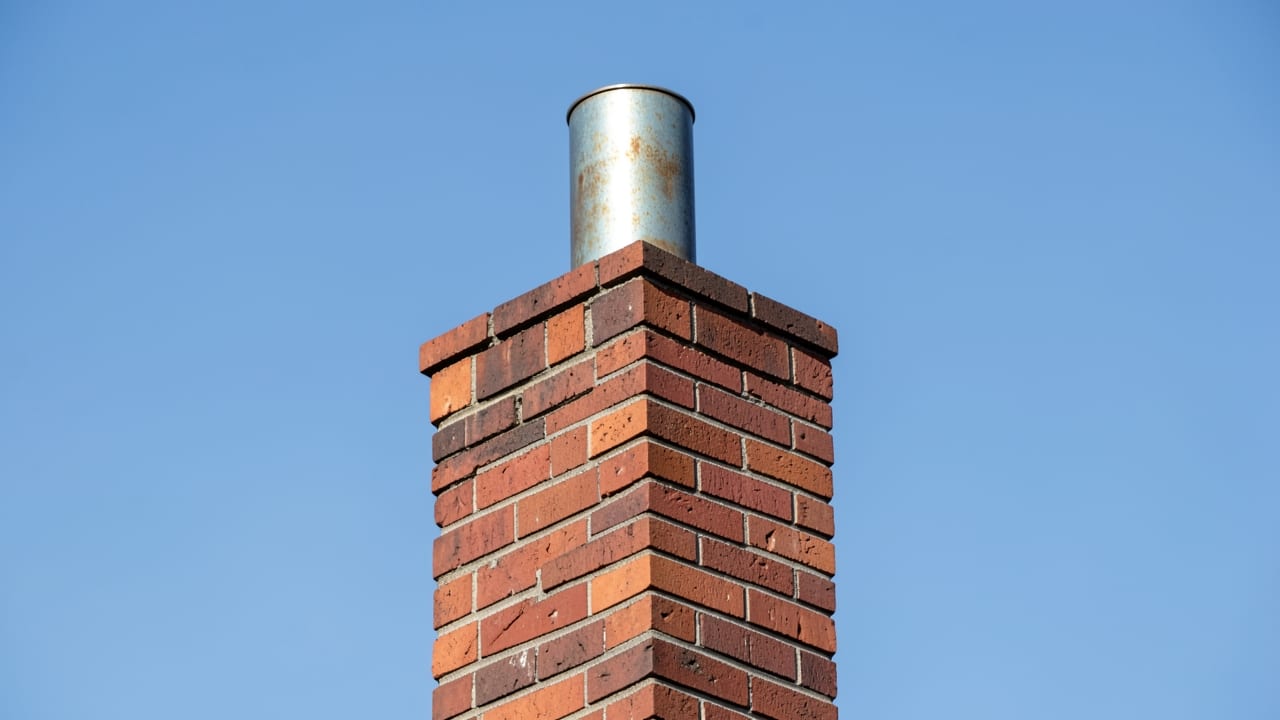
Chimney Exterior Cleaning in Waller, TX
Chimney Exterior Cleaning for Waller, TX properties — Waller west of Magnolia on the Harris/Waller county line.
Learn More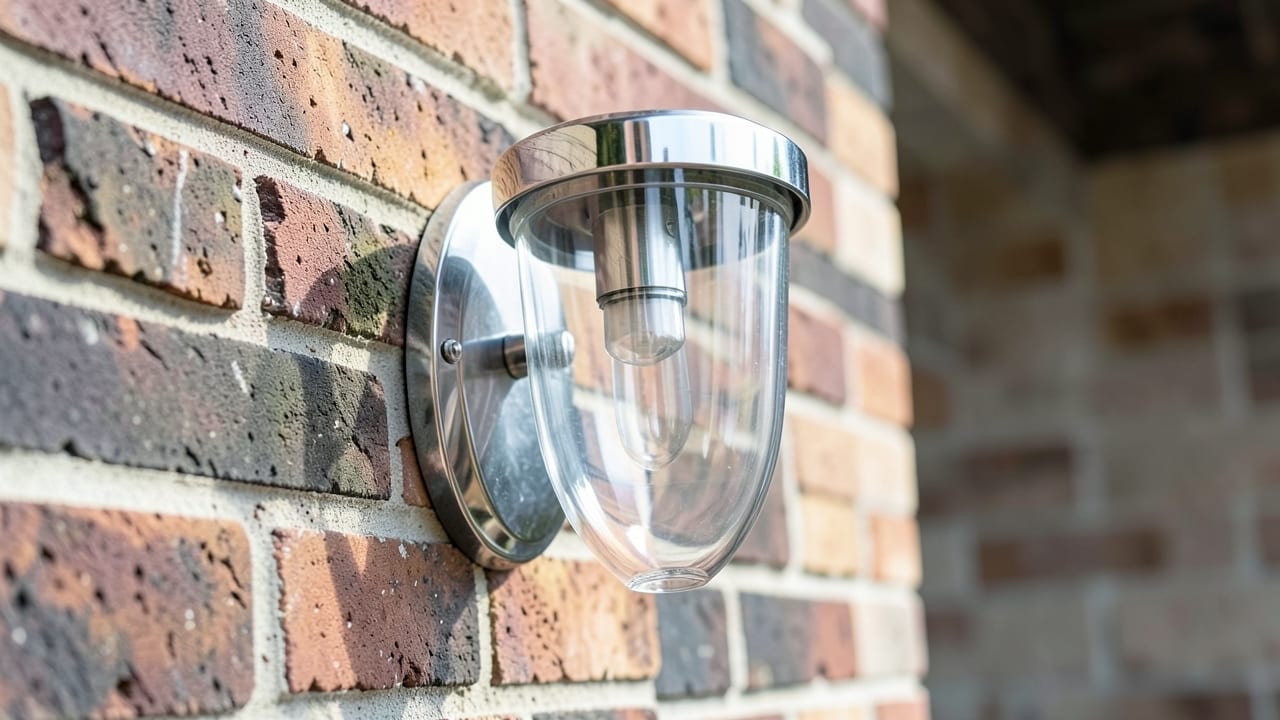
Exterior Light Fixture Cleaning in Waller, TX
Exterior Light Fixture Cleaning for Waller, TX properties — Waller west of Magnolia on the Harris/Waller county line.
Learn More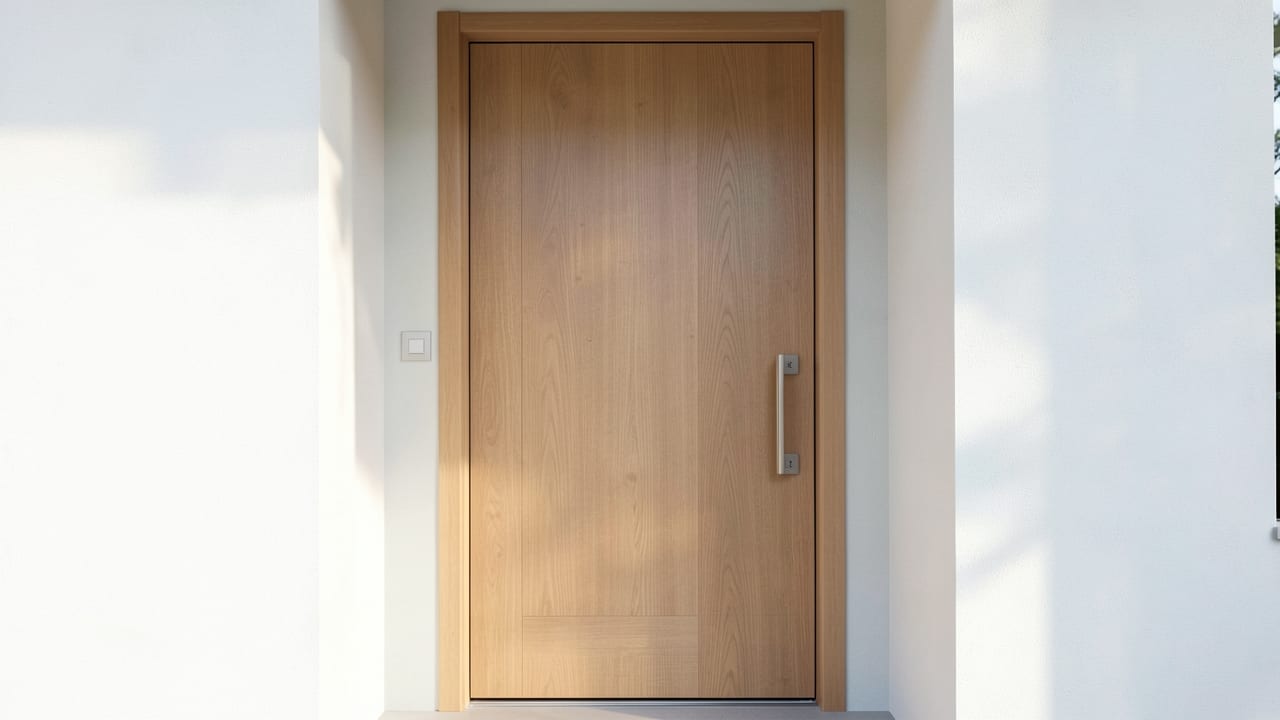
Exterior Door Cleaning in Waller, TX
Exterior Door Cleaning for Waller, TX properties — Waller west of Magnolia on the Harris/Waller county line.
Learn MoreThe same service is also covered in Oak Ridge North, TX , on the same terms.
Common Questions About Pressure Washing in Waller, TX
Everything you need to know about pressure washing services in Waller, TX
How much does Fleet Washing typically cost in Waller, TX?
Why does algae and mildew growth on homes in Waller, TX come back so quickly?
What's the actual difference between pressure washing and soft washing?
How often should a home's exterior actually be washed?
Are the cleaning chemicals used in soft washing safe for landscaping and pets?
Need Pressure Washing in Waller, TX?
Get a written quote from our Waller, TX crew.
⏰ We answer your call • Serving all of Waller, TX and surrounding areas