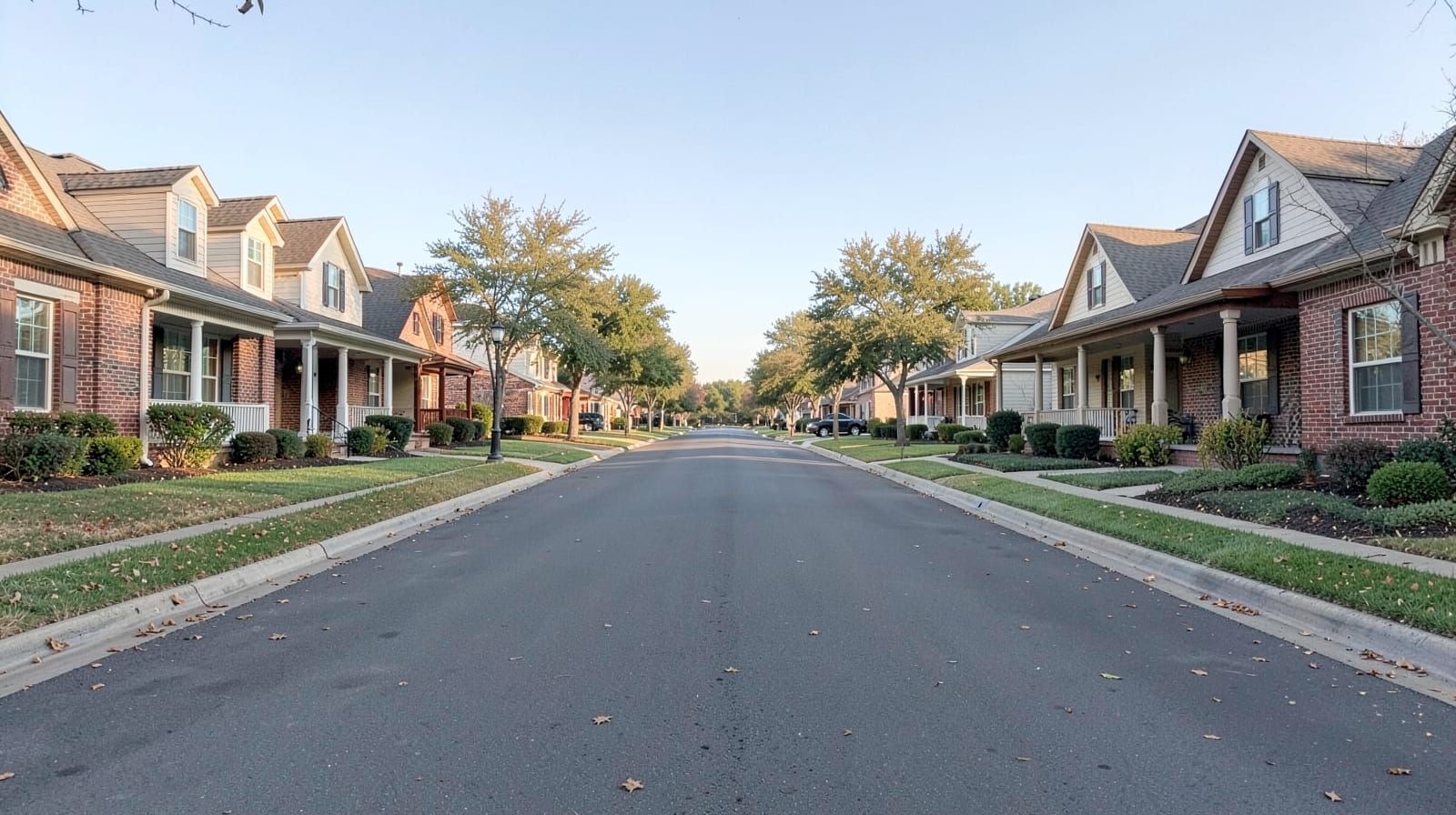
Glass Railing Cleaning in Plantersville, TX
Glass Railing Cleaning for Plantersville, TX properties — Plantersville a small community north of Magnolia at the SH-105/FM-1774 junction.
Glass railing cleaning in Plantersville removes built-up dirt and streaks to restore clarity, using pressure washing methods suited for fragile surfaces. The work involves careful attention to the panels and frames, ensuring no damage while clearing grime from the wind and nearby SH-105 traffic. Crews in the area typically handle both Plantersville and Magnolia jobs in the same trip, as the communities sit just minutes apart at the FM-1774 junction.
Why glass railing cleaning matters in Plantersville
Glass railing cleaning on large rural properties in Plantersville is important to maintain unobstructed views of the expansive landscapes. Dust and pollen from the open fields and nearby roads accumulate quickly on the surfaces, reducing clarity. The work involves removing this buildup to preserve the aesthetic and functional transparency of the railings, which is especially valued in a community surrounded by wide-open spaces. Crews in the area typically use specialized tools to reach and clean the glass thoroughly without leaving streaks.
This service is also available via Glass Railing Cleaning and Plantersville, TX.
What glass railing cleaning actually involves, step by step
Surface and plant protection. Landscaping near the foundation is wetted down and covered, and any exterior outlets or fixtures are bagged, before a single nozzle is turned on, since cleaning solution runoff and overspray cause more complaints on siding jobs than the wash itself.
Detergent pre-treatment. A cleaning solution formulated for the siding material — vinyl, wood, stucco, or fiber cement each take a different mix — is applied at low pressure and left to dwell, breaking down algae and mildew chemically instead of relying on pressure to blast it off.
Soft-wash rinse. The siding is rinsed at low pressure, generally under 500 psi through a wide-fan tip, working top to bottom in overlapping passes at a consistent speed, since an inconsistent pass speed is what leaves uneven streaking behind on the finished surface.
Spot treatment. Areas with heavier algae staining or stubborn mildew get a second, more concentrated pass rather than higher pressure, because raising the pressure to compensate for a stain is what pushes water behind siding seams instead of just cleaning the surface.
Final rinse and inspection. A clear-water final rinse removes any remaining detergent residue, and the finished siding is walked and checked in daylight for spots the first pass missed and for any panel that shows lifting or damage that needs separate attention.
What goes wrong when glass railing cleaning is done badly
Uneven pass speed streaking. Moving the wand at an inconsistent speed across siding leaves a banded, uneven-looking streak pattern sometimes called zebra striping, where the panels that got a slower pass look cleaner than the ones the operator moved past quickly. It's a technique problem, not a chemistry problem, and it shows up worst on light-colored vinyl.
Forced water behind siding. Aiming a pressure washer wand directly into a siding seam or up under a lap edge can force water behind the panel instead of just cleaning its face, and water trapped there is a documented cause of mold growth and rot inside the wall cavity that isn't visible until much later.
Wrong pressure for the material. Vinyl, stucco, and fiber cement each tolerate different pressure levels, and using a pressure setting suited to concrete on siding can crack stucco, split vinyl seams, or strip the factory finish off fiber cement panels well before it makes the surface look any cleaner.
How to choose who does the work in Plantersville
Does the quote specify the PSI and method — pressure wash vs. soft wash — for each surface? The wrong PSI on siding, roofing, or wood can cause damage, so the method should be disclosed per surface, not left as one generic number. Is a written scope listing every surface included — driveway, siding, deck, roof, fencing — provided? Bundled pricing sometimes covers only one or two surfaces despite sounding comprehensive. Are the cleaning chemicals used, and their effect on nearby landscaping and pets, disclosed before the job? Soft-wash detergents vary in strength, and runoff can affect plants or pets nearby. Does the estimate distinguish concrete or driveway work from roof or siding work? Roof and siding washing typically require lower pressure and different technique than concrete, and pricing that lumps them together can hide risk. What is the policy if pressure washing reveals pre-existing damage, like cracked paint or loose mortar? Pre-existing conditions can surface once dirt is removed, so it helps to know how that gets handled before agreeing to the job. Is post-treatment sealing for driveways or decks included in the price or billed separately? Sealing is often an add-on, not part of a basic wash.
No mention of PSI or method — pressure vs. soft wash — for each surface. The wrong pressure on siding, roofing, or wood can cause real damage, and a quote that has not specified method per surface has not actually assessed the job. A price far below every comparable bid for the same square footage. An unusually low price can mean lower-grade equipment, no pre-treatment chemical, or rushed coverage that leaves streaking. No mention of what chemicals are used or their effect on landscaping. Undisclosed chemical strength is how plants and grass near the work area end up damaged. Full payment demanded before the job starts. Paying in full upfront removes leverage if streaking, missed spots, or damage shows up afterward. Pressure to add extra services on the spot without a separate written price. Add-ons proposed in the moment are harder to compare against other bids.
The work is assessed based on the railing’s size, accessibility, and level of staining. Technicians evaluate the glass condition, surrounding materials, and any hard-to-reach areas to determine the appropriate pressure and cleaning methods for Magnolia, TX properties.
Call for a quote on glass railing cleaning for a Plantersville property — pricing works the same as everywhere else in the service area.
See Glass Railing Cleaning in Waller, TX for more — or browse the pressure washing work we do around Magnolia for our complete service area.
Serving Plantersville, TX
Ready to get started?
Talk to a local pressure washing pro serving Plantersville, TX — get a written quote.
Other Services We Offer in Plantersville, TX
Annual Maintenance Wash in Plantersville, TX
Annual Maintenance Wash for Plantersville, TX properties — Plantersville a small community north of Magnolia at the SH-105/FM-1774 junction.
Learn More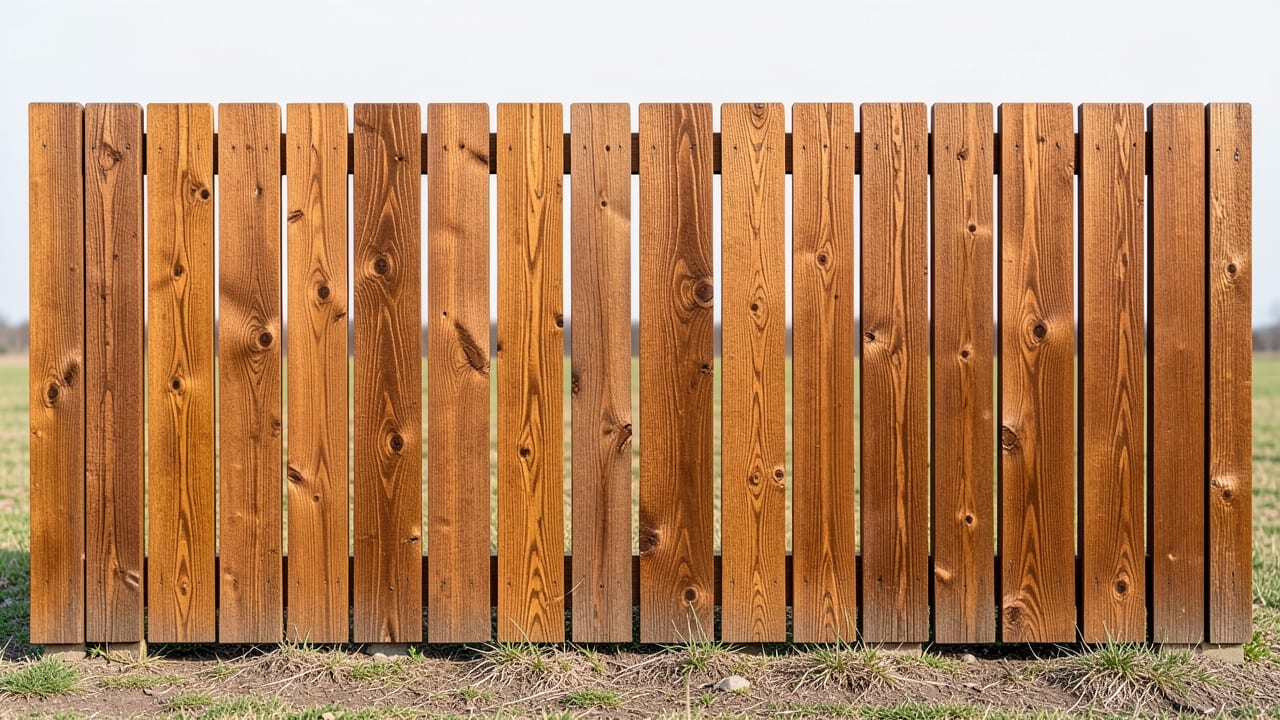
Restoration Wash in Plantersville, TX
Restoration Wash for Plantersville, TX properties — Plantersville a small community north of Magnolia at the SH-105/FM-1774 junction.
Learn More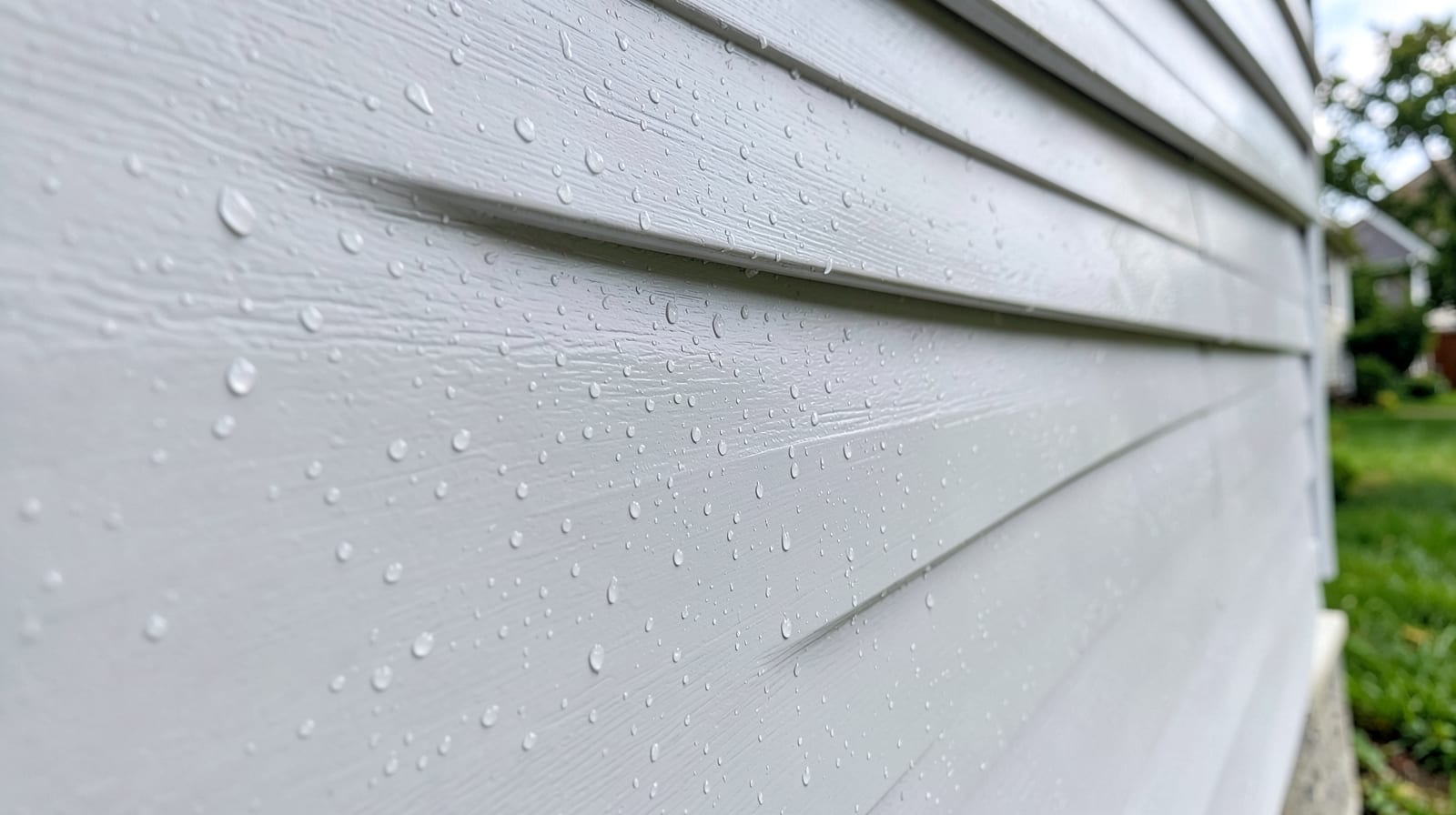
House Washing in Plantersville, TX
House Washing for Plantersville, TX properties — Plantersville a small community north of Magnolia at the SH-105/FM-1774 junction.
Learn MoreDriveway & Concrete Cleaning in Plantersville, TX
Driveway & Concrete Cleaning for Plantersville, TX properties — Plantersville a small community north of Magnolia at the SH-105/FM-1774 junction.
Learn More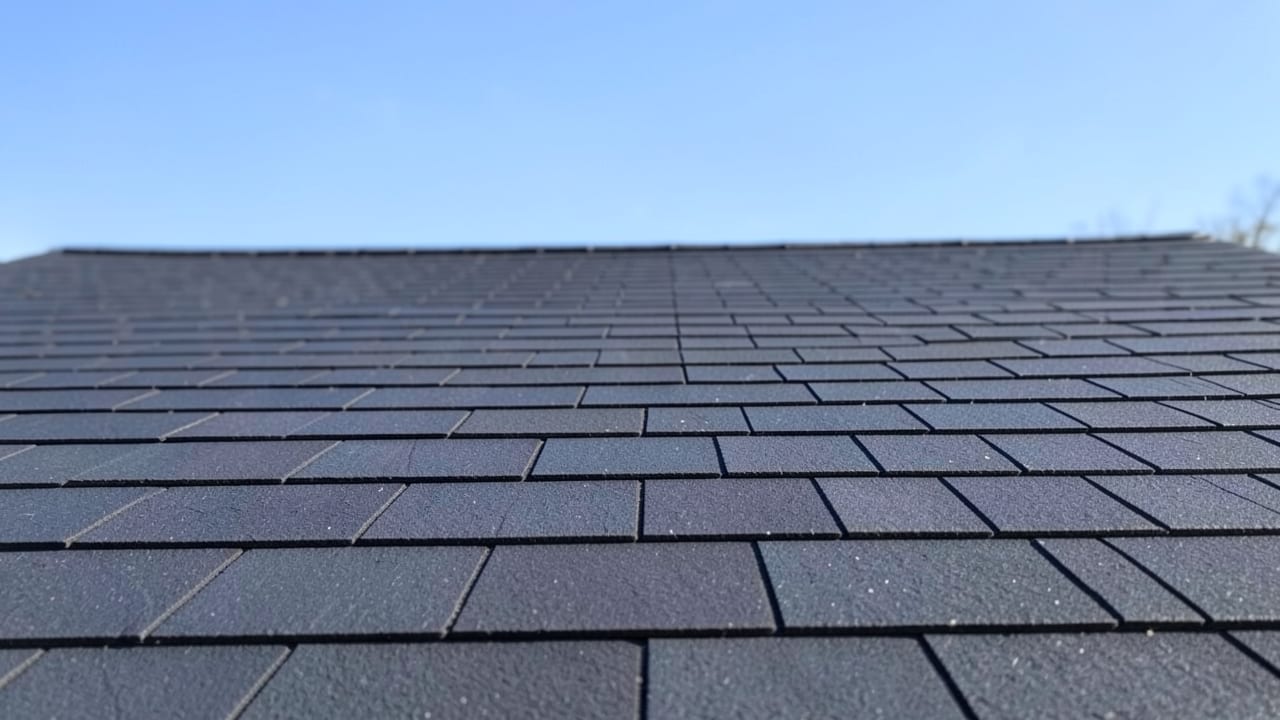
Roof Washing (Soft Wash) in Plantersville, TX
Roof Washing (Soft Wash) for Plantersville, TX properties — Plantersville a small community north of Magnolia at the SH-105/FM-1774 junction.
Learn MoreDeck & Fence Cleaning in Plantersville, TX
Deck & Fence Cleaning for Plantersville, TX properties — Plantersville a small community north of Magnolia at the SH-105/FM-1774 junction.
Learn MoreThe same service is also covered in Waller, TX , on the same terms.
Common Questions About Pressure Washing in Plantersville, TX
Everything you need to know about pressure washing services in Plantersville, TX
How much does Glass Railing Cleaning typically cost in Plantersville, TX?
Why does algae and mildew growth on homes in Plantersville, TX come back so quickly?
Is renting a pressure washer and doing the job at home a reasonable option?
How long does washing a typical house exterior take?
Can pressure washing damage concrete, pavers, or mortar joints?
Need Pressure Washing in Plantersville, TX?
Get a written quote from our Plantersville, TX crew.
⏰ We answer your call • Serving all of Plantersville, TX and surrounding areas